
Employment Law
Employment Law governs the relationship between employers and employees, setting the legal parameters within which work is performed and managed. It encompasses a wide range of issues, including hiring practices, workplace safety, wages, discrimination, wrongful termination, and benefits. At its core, Employment Law seeks to ensure fair treatment of workers while also protecting the rights and interests of employers. This branch of law plays a crucial role in maintaining balance in the workplace, fostering environments where both employers and employees can thrive under clear legal expectations.
The origins of Employment Law can be traced back to the Industrial Revolution, when workers were subjected to harsh conditions with little recourse. Over time, labor movements advocated for safer working environments, reasonable hours, and just compensation. These efforts laid the foundation for modern laws that govern employment practices. Today, Employment Law is a dynamic and evolving field, shaped by economic changes, technological advancements, and shifting societal values. Governments continue to refine these laws to address emerging workplace issues and ensure that they remain relevant and effective.
Employment Law covers a variety of topics that impact daily business operations and employee welfare. One of the most significant aspects is the regulation of wages and hours. Laws such as the Fair Labor Standards Act in the United States establish minimum wage standards, overtime rules, and guidelines for youth employment. These provisions aim to protect employees from exploitation and ensure they receive fair compensation for their labor. In addition, Employment Law addresses workplace safety through regulations enforced by agencies like the Occupational Safety and Health Administration (OSHA), which mandate safety standards to prevent accidents and injuries.
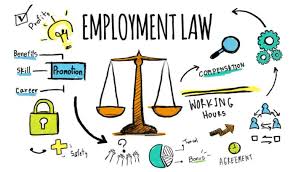
What is Employment Law?
Discrimination in the workplace is another key area addressed by Employment Law. Anti-discrimination laws prohibit employers from making hiring, firing, or promotion decisions based on race, gender, religion, national origin, age, disability, or other protected characteristics. The enforcement of these laws promotes diversity and inclusivity, ensuring that all individuals have equal opportunities in the workplace. Employers are required to implement non-discriminatory policies and provide accommodations when necessary, fostering a respectful and equitable work environment.
Another important component of Employment Law involves wrongful termination. Employees who are dismissed without cause, in violation of their contract, or in retaliation for whistleblowing may have legal recourse. These protections serve to hold employers accountable and prevent abuse of power. Employment Law also outlines the obligations employers have concerning employee benefits, such as health insurance, retirement plans, and family leave. These provisions contribute to employee well-being and job satisfaction, encouraging long-term commitment and productivity.
In recent years, Reasonable severance for executive with less than three years has had to adapt to new workplace challenges, such as remote work, gig economy roles, and data privacy concerns. As the nature of work continues to evolve, so too does the legal framework that supports it. Lawmakers and courts are continually interpreting and updating employment regulations to keep pace with these changes and ensure both employees and employers are adequately protected.
Ultimately, Employment Law plays an essential role in creating structured, fair, and safe working environments. By defining rights and responsibilities clearly, it helps prevent disputes and fosters mutual respect between workers and management. As workplaces become more complex, the importance of understanding and complying with Employment Law becomes ever more critical for organizations and employees alike.
