
Introduction to the Auto Industry
The automotive industry, often referred to as “auto,” plays a pivotal role in modern society by shaping transportation, economy, and innovation. From early horse-drawn carriages to today’s electric and autonomous vehicles, the auto sector has undergone remarkable transformations. This article explores the history, advancements, and future of automobiles, highlighting their impact on our daily lives.
The Evolution of Automobiles
The automobile’s journey began in the late 19th century with the invention of internal combustion engines. Early pioneers like Karl Benz and Henry Ford revolutionized transportation by making cars accessible to the masses. Ford’s Model T, introduced in 1908, marked a turning point in mass production and affordability.
Over time, technological advancements have continually improved vehicle performance, safety, and efficiency. Innovations such as seat belts, airbags, and anti-lock braking systems have enhanced passenger safety, while engineering breakthroughs have optimized fuel consumption and reduced emissions.
The Role of Automobiles in Modern Life
Automobiles are integral to daily life, enabling personal mobility, trade, and tourism. They provide convenience and independence, allowing people to travel efficiently across cities and countries. Cars are not just a mode of transport; they are also a symbol of status and lifestyle. Luxury and sports cars, for instance, reflect personal taste and aspirations.
In the commercial sector, trucks and vans play a critical role in supply chain logistics, transporting goods from manufacturers to consumers. Similarly, buses and taxis ensure public mobility, contributing to urban development.
Emerging Trends in the Auto Industry
The auto industry is currently experiencing a paradigm shift with the rise of electric vehicles (EVs), autonomous driving technology, and connected cars. These trends are redefining transportation and sustainability.

- Electric Vehicles (EVs):
EVs are transforming the automotive landscape by reducing reliance on fossil fuels and minimizing carbon emissions. Companies like Tesla, Nissan, and Ford are investing heavily in electric technology, with governments worldwide offering incentives to encourage EV adoption. - Autonomous Vehicles:
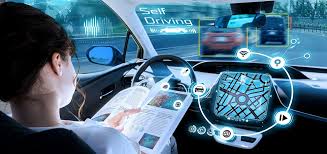
Self-driving cars are no longer a futuristic concept. Companies like Waymo, Tesla, and traditional automakers are developing autonomous driving technologies that promise safer and more efficient roads. These vehicles use artificial intelligence, sensors, and cameras to navigate traffic without human intervention. - Connected Cars:
Connected cars integrate internet connectivity to enhance driver experience and safety. Features like GPS navigation, real-time traffic updates, and vehicle diagnostics ensure a smarter, more informed driving experience.
Challenges Facing the Auto Industry
Despite advancements, the auto industry faces challenges such as environmental concerns, rising fuel costs, and supply chain disruptions. The push for sustainability has prompted automakers to explore alternative energy sources like hydrogen fuel cells and biofuels. Additionally, semiconductor shortages and global economic uncertainties pose hurdles to production and innovation.
The Future of Automobiles
The future of the auto industry lies in sustainability, connectivity, and automation. Green energy solutions, smart infrastructure, and shared mobility services are likely to shape the transportation systems of tomorrow. Innovations like flying cars and hyperloop technology could redefine the boundaries of mobility.
Conclusion
The auto industry is a testament to human ingenuity and progress. From its humble beginnings to the era of electrification and automation, automobiles have revolutionized the way we live and move. As technology continues to evolve, the auto sector will remain a driving force in shaping the future of mobility and sustainability.
